Approach
Road access, parking, drop-off and weather conditions set the first practical expectations before a visitor enters the building.

Travel notes built around how a stay feels in motion
Waypoint Paper examines the practical side of mixed-use hospitality: getting from arrival to the room, understanding shared areas, finding meals and deciding how much of the trip belongs to the surrounding destination.
A Casino Resort can combine accommodation, dining, events and adult gaming within one address, yet guests may experience only a small part of that mix depending on why they are travelling.
Read the building as a route, not a checklist.

The first useful question
Road access, parking, drop-off and weather conditions set the first practical expectations before a visitor enters the building.
Clear registration areas and visible lifts make a larger property easier to read without requiring unnecessary movement.
Room floors feel more restful when their circulation is clearly separated from busy restaurants, events or entertainment spaces.
The easiest stay is often the one where a guest can leave for the day and find the same simple path back in the evening.
A visual reading of hospitality
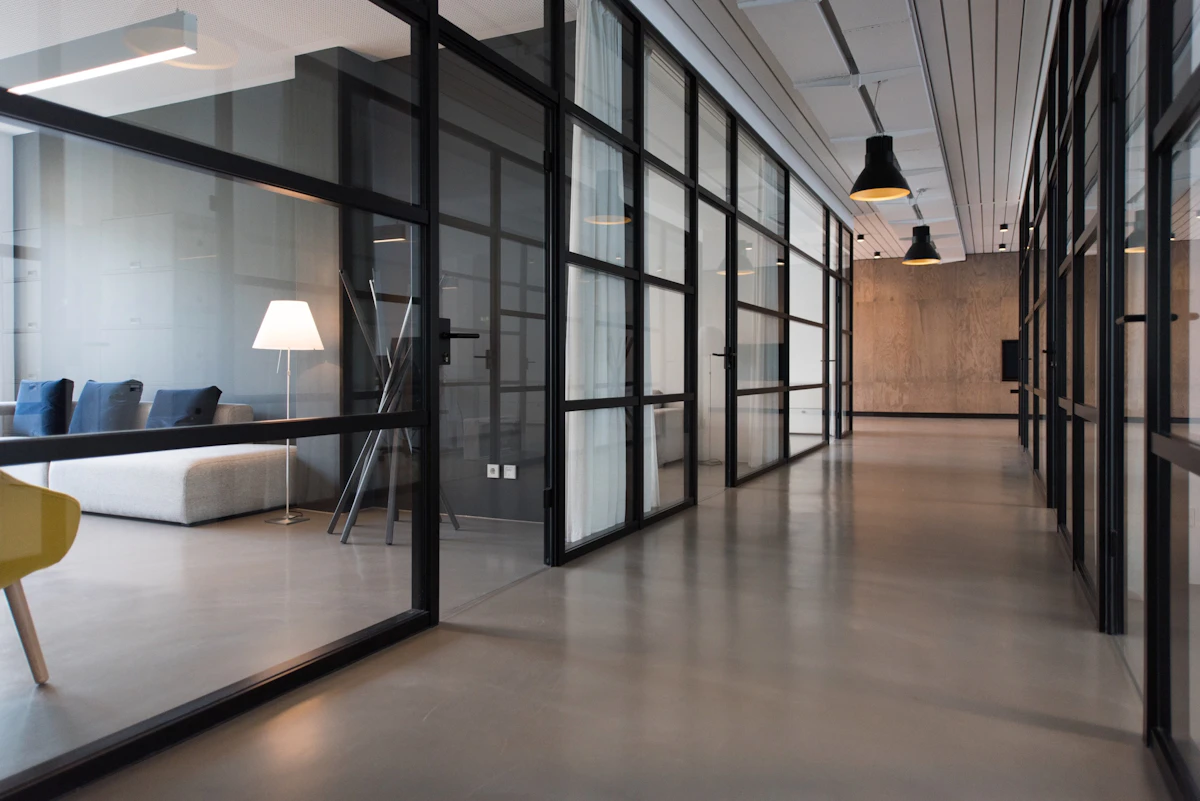
Guest rooms provide privacy, shared interiors reveal movement, and the destination determines what lies beyond the property.

Corridor activity and room placement can influence how separate accommodation feels from public spaces.

These entries provide neutral planning context. They are not rankings, endorsements, recommendations or statements about present availability.
Ontario / Niagara Falls
A tourism district can place walking, sightseeing and nearby dining at the centre of the trip. Visitors may spend most of the day away from the property and return mainly for rest.
British Columbia / Vancouver
A central-city setting can create a stay defined by restaurants, events, neighbourhood activity and transport. Accommodation may be only one part of a broader urban itinerary.
Ontario / Toronto
A large metropolitan complex can involve substantial internal walking and changing activity around events. Guests may benefit from locating rooms, dining and primary entrances before peak periods.
Alberta / Calgary
A city-edge location can make driving, parking and event timing especially relevant. Guests may use the property as a practical base for activities across the wider Calgary area.
British Columbia / Okanagan
The lakeside setting can make outdoor activity, seasonal weather and local recreation central to the trip. Visitors may divide their time between accommodation and the surrounding destination.
Québec / La Malbaie
Charlevoix travel can centre on scenery, regional driving and seasonal outdoor plans. Accommodation may function as one part of a broader landscape-focused visit.
Room position, corridor traffic and lift access can affect rest more directly than the total scale of the property.
Restaurants may become busier around events, creating temporary changes in public-space flow.
Pools, spas, outdoor areas and nearby attractions can become more or less relevant depending on weather and trip purpose.
A Casino Inn or larger integrated property may separate gaming through dedicated entrances, controls and identification requirements.
Independent publishing
Waypoint Paper is an independent visitor-information publisher helping adults understand Canadian hospitality destinations that may include gaming amenities.
We focus on accommodation, dining, amenities, public-space flow and destination differences. A Casino Hotel is treated first as a place to stay, with gaming considered one optional part of a broader hospitality environment.
Our purpose is to provide neutral travel context rather than operate properties or manage guest services.
General editorial correspondence
Use the form for a general message concerning this guide. No delivery service is connected to this custom implementation.
This section explains what the custom code does with form data, navigation and external image requests.
This page is an informational guide. The form requests only a name, email and message. The form transmits nothing and permanently stores nothing. A separately connected service would be required for delivery.
There are no accounts, payments, bookings, gambling-account collection or financial-account collection in this custom implementation.
The custom code used for this guide does not itself create cookies or browser-storage records. The website platform hosting this page may have separate technical or privacy practices outside this custom implementation.
Activating the image link navigates to the configured destination. The original raw query string is preserved when present and is used only to construct the destination href.
The destination receives a normal page request and has separate technical and privacy practices. This custom code adds no analytics, pixels, trackers or third-party JavaScript.
Remote-image CDNs may receive ordinary request data necessary to serve the editorial photographs displayed on this page.
Full-width editorial context
Weather can affect roads and outdoor plans. Events can increase restaurant traffic, parking demand and movement through public areas. Seasonal facilities may also operate differently across the year.
A Casino Resort can therefore feel very different between two visits even when its physical layout remains unchanged. Current information matters whenever a route, facility or local condition affects the purpose of the trip.
Travel context over facility lists
A tourism weekend, road trip, event visit and scenic break can create completely different priorities around rooms, meals, transportation and shared-space activity.
When a Casino Resort forms one part of that journey, adults should verify the current property and destination information relevant to their own plans before travelling.